


The divorce rate has gone up a lot over the years. I know how hard it is to make sure the child’s best interests are met, especially when there is a conflict between you and your ex-partner.
Many studies show that divorce can negatively impact children if they lose contact with a non-abusive father. According to a recent survey in 2016 by Motti Haim and Aaron Lerner on the effects of divorce, they note:
- Shared custody and inclusion of contact with a non-abusive father improve outcomes
- Children living in joint custody feel loved and satisfied. They report fewer feelings of loss, and don’t look at life through the lens of their parents’ divorce compared to children living in sole custody with their mothers.
Additionally, other research reports that high parental conflict negatively affects children’s behaviour, leading to several difficulties. These are some behaviours you may notice if your child is distressed: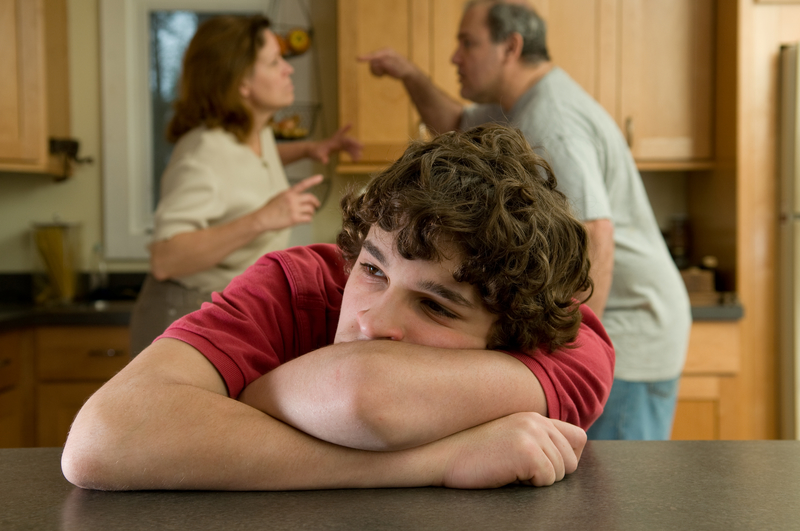
In younger children, you may notice their feelings in behaviour such as:
- Tummy aches
- Sleep problems
- School refusal
- Separation anxiety
- Anger
In teenagers, you may see:
- Angry and blaming the parent they live with
- Oppositional behaviour
- Lower academic achievement
- Increase alcohol and drug consumption
- Low moods.
Your child may take some time to manage the transition, and sometimes it can take up to two years. Here are my top tips to prevent and manage conflict.
Top Eight Tips to Manage Divorce
- If you can offer respect to your ex-partner, imagine your relationship is now more akin to a business partnership, it will help diffuse conflict. Healthy breakups include negotiation and compromise.
- Do not blame or join in condemning the other parent; listen to what they are saying, and say how hard it is for them.
- It is usual for any child, whatever age, to have big feelings. They may feel it is their fault. Do tell them it is not their fault. It would help if you said this more than once, and I know this sounds obvious, but this is mainly in times of conflict.
- Do not assume they may be happy if you meet someone new. Make sure that they know that you will continue to have special play-connected time with them. Consequently, rivalries between your new partner and children may soften.
More Tips
- They may be upset, angry or anxious at this time; however, they can be helped to manage the ups and downs; they can readjust healthily within two years of separation.
- If appropriate, give your child time to settle with the idea and try not to change their home or school rapidly. Sometimes parents want to avoid the anger that ensues, if they move out quickly, but it helps to talk it through before leaving.
- Try not to make any further changes in the following two years. This will give them time to readjust.
- So keep talking to your ex-partner if you can, even if it means doing it via email; it can take the sting away from face-to-face contact. If you want to stay connected with your child, write them letters. Do not blame the other parent.
If you are struggling, I offer support for parents going through the transition; however, I do not provide court assessments. It is important to me to offer a space for children that is safe and neutral. For support, contact me for a consultation.