
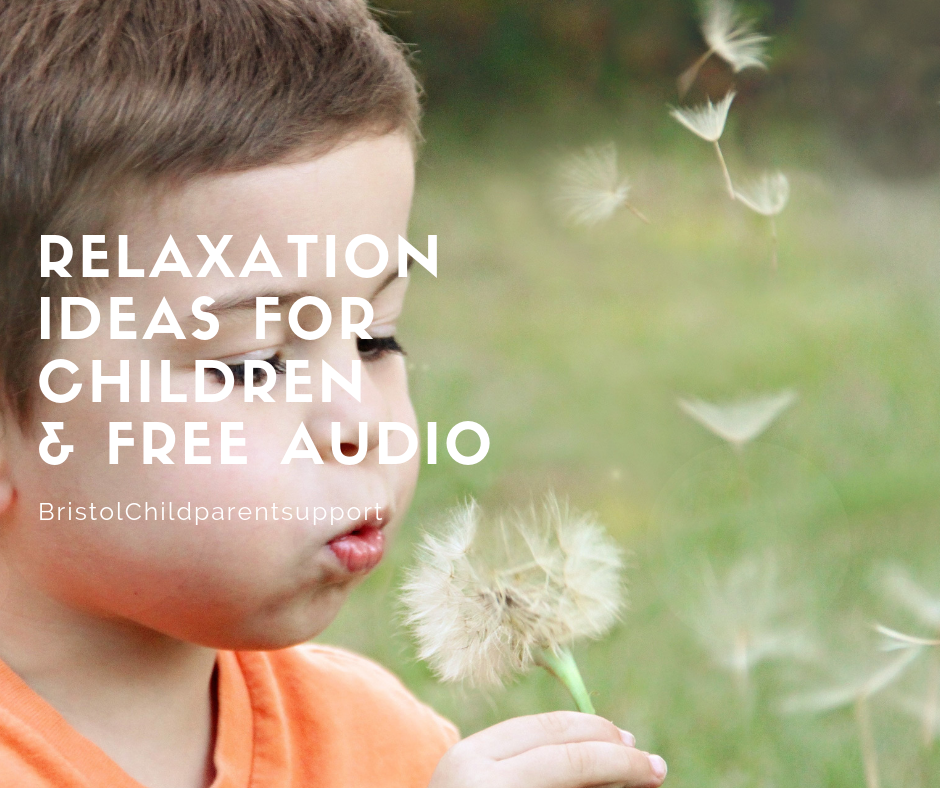
We live in constantly changing times, and it’s been a tough year for us all. The summer holiday is around the corner. There is no better time to practise relaxation and breathing than the summer holidays. A time to gather and take a moment to connect, calm, and be. Here are a few simple ideas (and free audio) to help you and your family. Let’s take a pause, be calm, and connect!
Start with the breath and learn how to breathe.
Parents often tell me they refuse when they ask their children to breathe slowly.
Do you have a child who is a shallow breather and may pant? Having a playful attitude will help your child resist you less! So instead of asking them to breathe, you can:
- Buy a party popper to help them “blow out”.
- Pretend to smell a favourite flower.
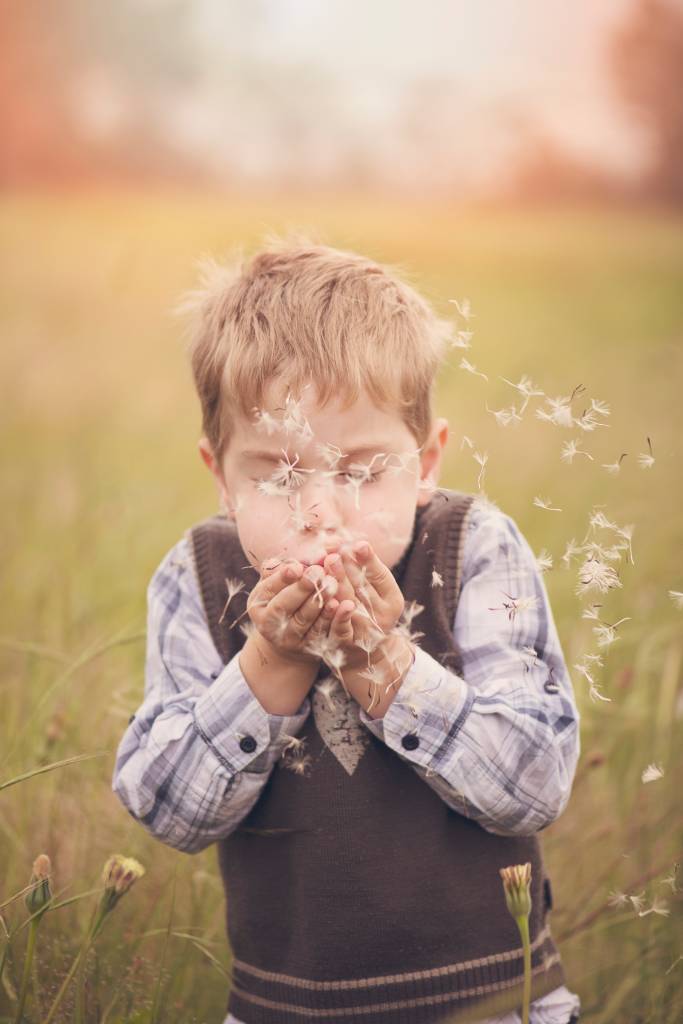
- Go into nature, blow and wash those worries away on dandelion puffs; it’s free!
2. Visualisation Ideas
Children have fantastic imaginations and are always ready to utilise them. Here are a few simple ideas, scripts and a free audio
Big Floating balloon
This is concise relaxation audio for all age groups up to 12. It is simple and easy. Please let me know if it helps you!
Find your safe place.
When we want to relax, we need to feel safe. This simple visualisation can be used with all age groups from 5 onwards. It’s excellent for those older children. However, you need to practise this together for them to master it. Some children may internalise the feeling more quickly, depending on their self-control level, so adjust your expectations. You can listen below if you don’t want to use the script.
So, lie down or sit in a chair and start breathing (you can follow my audio above for that bit). Now, I want you to imagine a safe place. It can be anywhere (try not to lead your child) gently ask them to go with the first place that arises in your mind. Feel the colours, the sounds and smells, and feel safe in that place. Keep breathing…..now I want you to take something that will help you feel even safer….breathe (just let them stay there a while)
Now we are going to leave that place on the count of 3, I then want you to open your eyes. 321…..open your eyes when you are ready! Then talk about their journey.
Use a stuffed animal ( great for preschoolers)
Lie down together, place your child’s favourite lovely on their belly, then ask them to feel down into that place and notice their belly is moving up and down. This teaches your child how to breathe deeply.
Relaxation and Moving
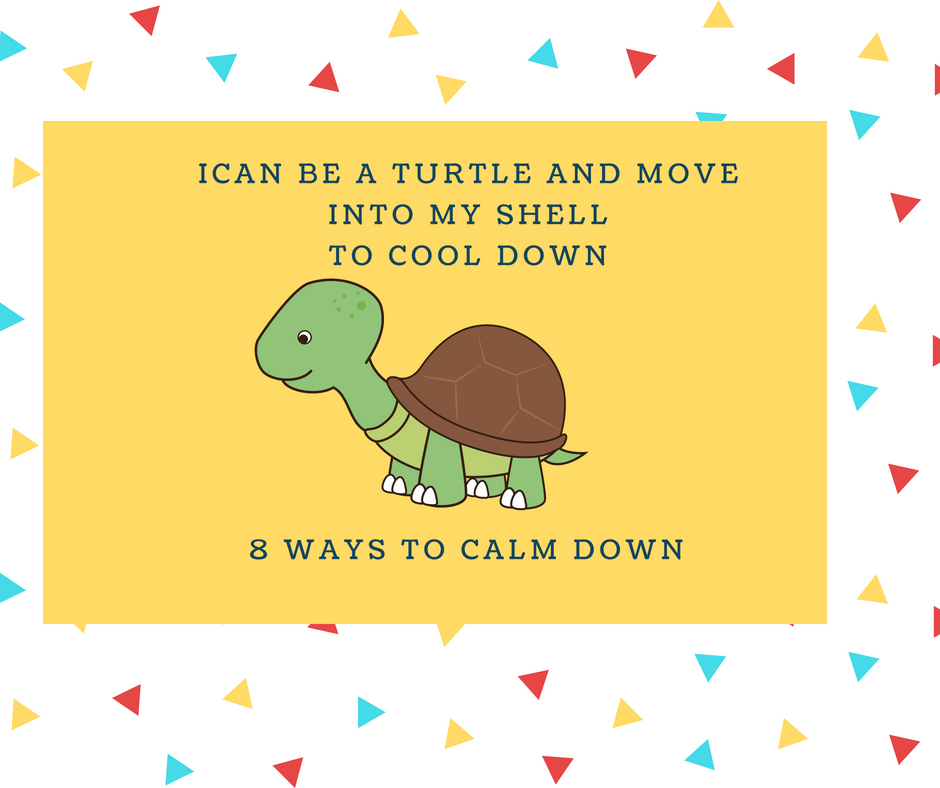
Some children are “kinaesthetic” learners. They may need to relax by moving. They might become a tree or a turtle by going into their shell.
5. Make a self-soothe box for Relaxation
For children ages seven and upwards
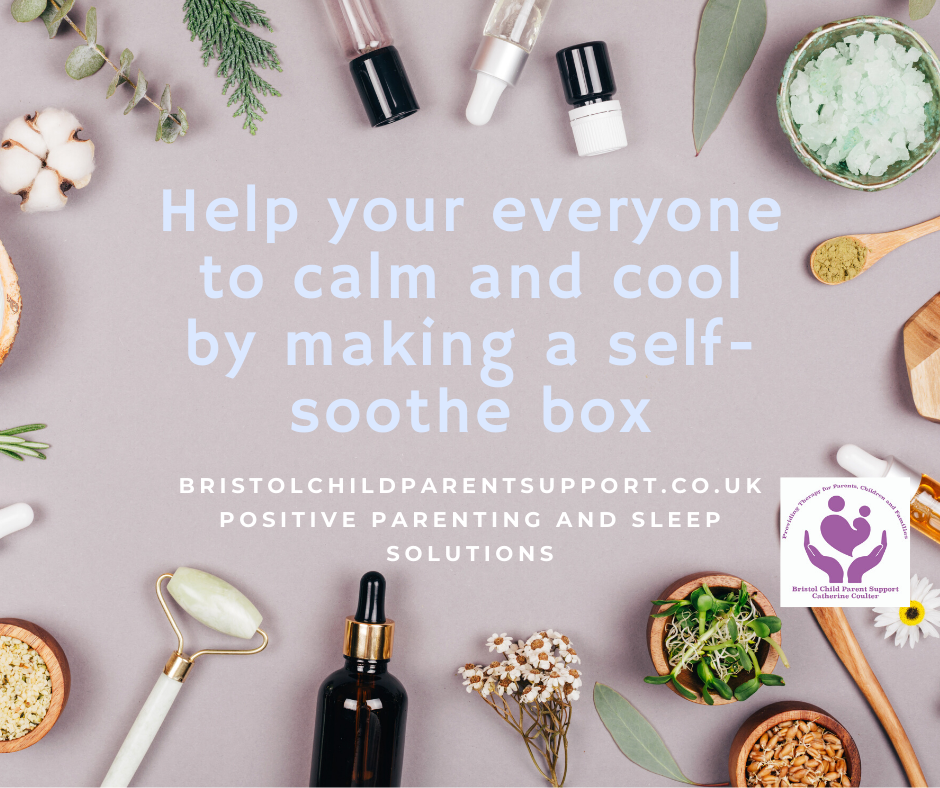
It is a box ( shoebox) that can include anything used to distract and help in times of stress. It originates from DBT (Dialectical Behaviour Therapy) and addresses the need to manage and tolerate distress. You could find a simple shoebox and decorate it with your child. Alternatively, you can make a self-soothe backpack to take on holiday.
You can then brainstorm with them what helps them to feel calm. Consider objects that include all five senses; learn more; you can find further information by clicking here. https://bristolchildparentsupport.co.uk/create-a-self-soothe-box-to-enable-calm-down/.
6. The Five Senses Exercise
When your child is stressed, you can help your child to ” come back into themselves” by noticing the following:
- Something they can see
- Something they can hear
- Something they can taste ( it is good to have some low-sugar sweets to carry)
- Something they can smell
- Something they can feel
It is almost time to pause, and I hope you do too. For Autumn, look out for my workshops. I will be offering a free sleep webinar in September, so sign up for my newsletter community for a space. During this time, may you also create intentional time and space for whatever you long for? Wishing you a good summer. With Love Catherine
If you enjoyed this blog post and found it helpful or inspiring, please share it with your friends on social media by clicking on the icons on the side. Thank you for visiting my website!